Matching Athleisure Fabric Weight to the Actual Season, Not Just the Style
Quick Answer: Lightweight moisture-wicking fabrics (under 200 gsm) suit warm weather, mid-weight brushed fabrics (200-280 gsm) suit transitional seasons, and heavyweight fleece-lined fabrics (280+ gsm) suit cold weather — checking the gsm (grams per square meter) label matters more than the season printed on the tag.
Athleisure shopping tends to focus on cut and color, but fabric weight is what actually determines whether an outfit works for the weather it’s worn in.
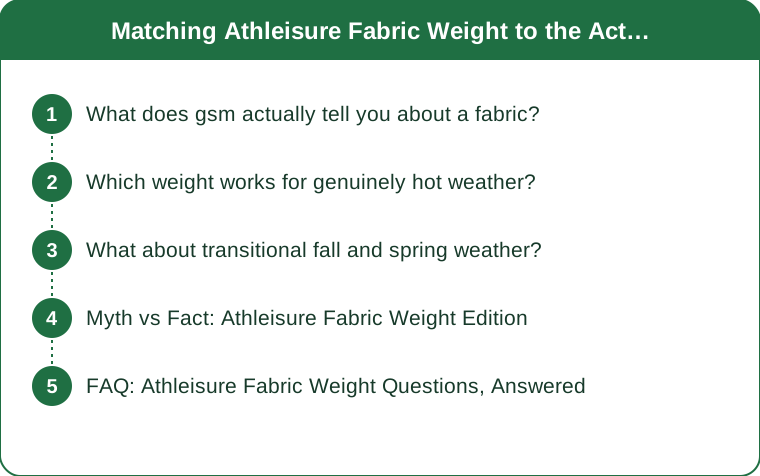
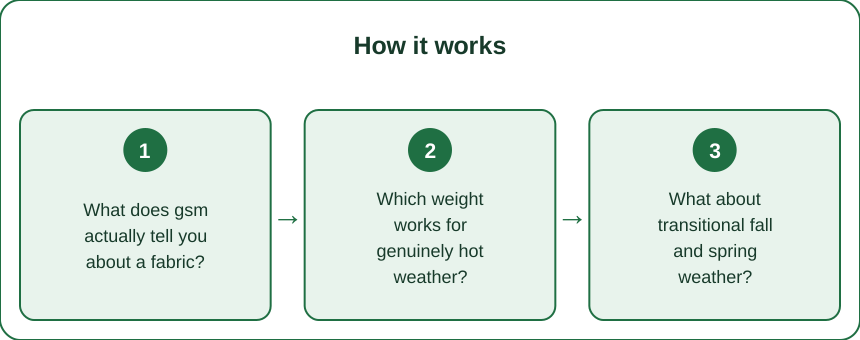
What does gsm actually tell you about a fabric?
Grams per square meter measures fabric density — lower gsm means thinner, more breathable fabric suited to warmth and movement, while higher gsm means denser, warmer fabric suited to cold and wind. Most activewear doesn’t print gsm prominently, but it’s usually listed in the product details if you look.
Which weight works for genuinely hot weather?
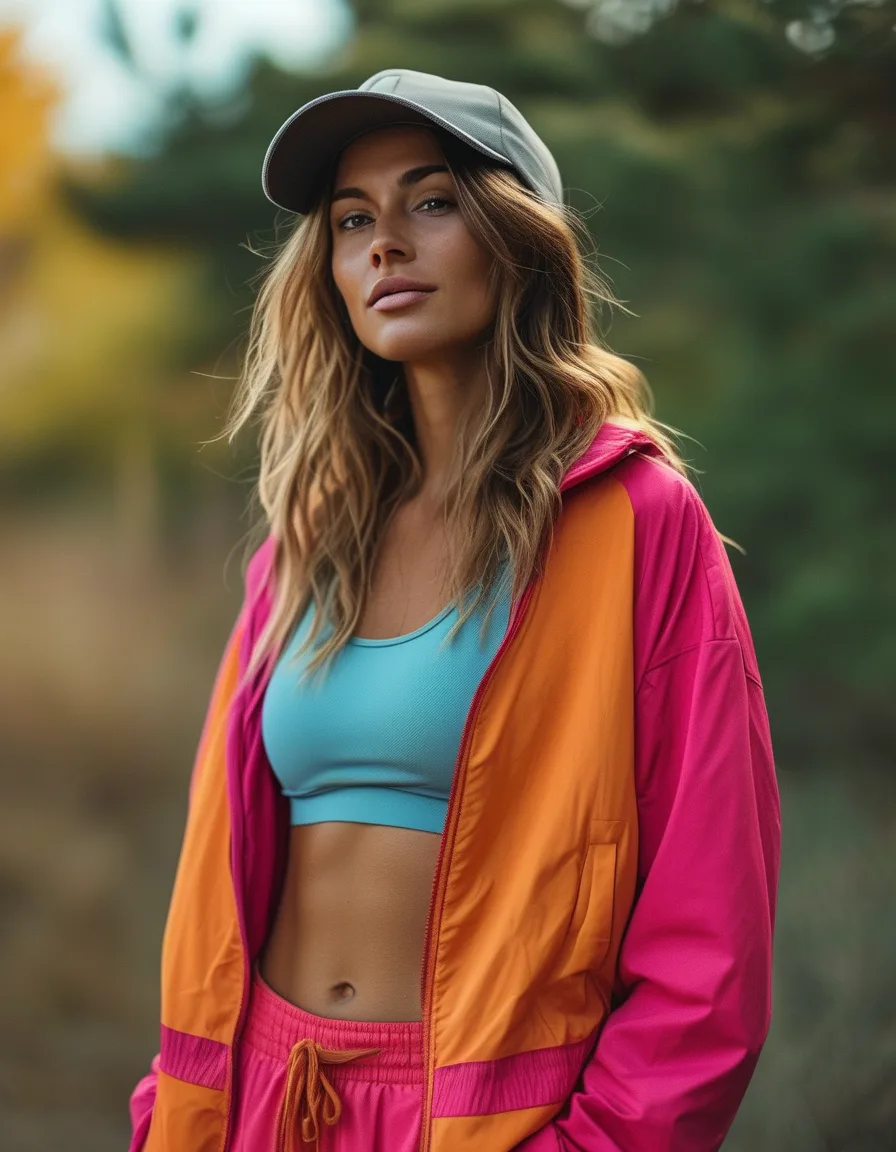
Under 200 gsm, often labeled “lightweight” or “featherweight,” with moisture-wicking treatment. These fabrics prioritize breathability and quick-dry properties over warmth, which is exactly the tradeoff needed above about 75°F.
What about transitional fall and spring weather?
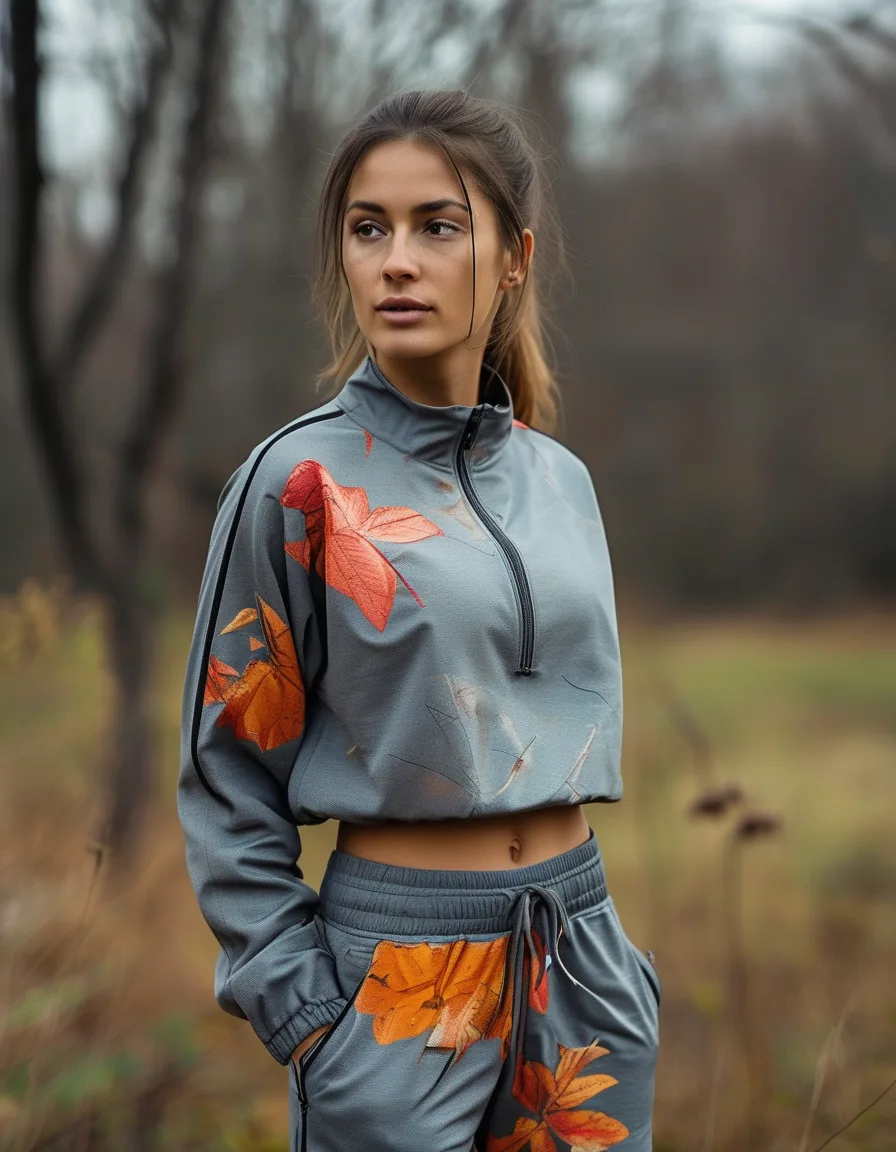
Mid-weight brushed fabrics (200-280 gsm) — often described as “buttery” or “brushed” — provide enough warmth for cooler mornings without overheating by midday, making them the most versatile weight for unpredictable shoulder-season temperatures.
Myth vs Fact: Athleisure Fabric Weight Edition
Myth: A single “transitional” piece works for all cooler weather. Fact: transitional weight (200-280 gsm) is genuinely too light for real winter cold, which needs 280+ gsm fleece-lined fabric.
Myth: Heavier fabric always means warmer, better quality. Fact: heavier isn’t automatically better if it’s the wrong season — overheating in summer is as uncomfortable as being cold in winter.
FAQ: Athleisure Fabric Weight Questions, Answered
How can I check gsm before buying online?
Check the product description or fabric details section; if it’s not listed, customer reviews often mention how warm or cool a piece runs.
Can one piece work across multiple seasons?
Mid-weight (200-280 gsm) pieces are the most versatile across 3 seasons, but true summer and true winter each benefit from their own dedicated weight.
Does fabric weight affect how a piece drapes and fits?
Yes — heavier fabrics tend to hold structure and shape better, while lighter fabrics drape closer to the body, which affects fit as much as it affects warmth.
TL;DR:
- gsm (grams per square meter) is the real indicator of fabric weight, not the season label
- Under 200 gsm for heat, 200-280 for transitional weather, 280+ for real cold
- Mid-weight fabric is the most versatile single-piece option across seasons
- Check product details or reviews for gsm since it’s rarely printed prominently
Next time an athleisure piece feels wrong for the weather, it’s usually a weight mismatch, not a style mistake.
Keep Reading
This article is for general informational purposes only and is not medical advice. It is not a substitute for professional diagnosis or treatment. Always consult a qualified healthcare provider about your individual situation, especially before making significant changes to your diet or exercise routine.